Engineering solutions.
Each project started with a real problem and ended with working hardware or software — here's what I built and why.
 ★ Final Year Project
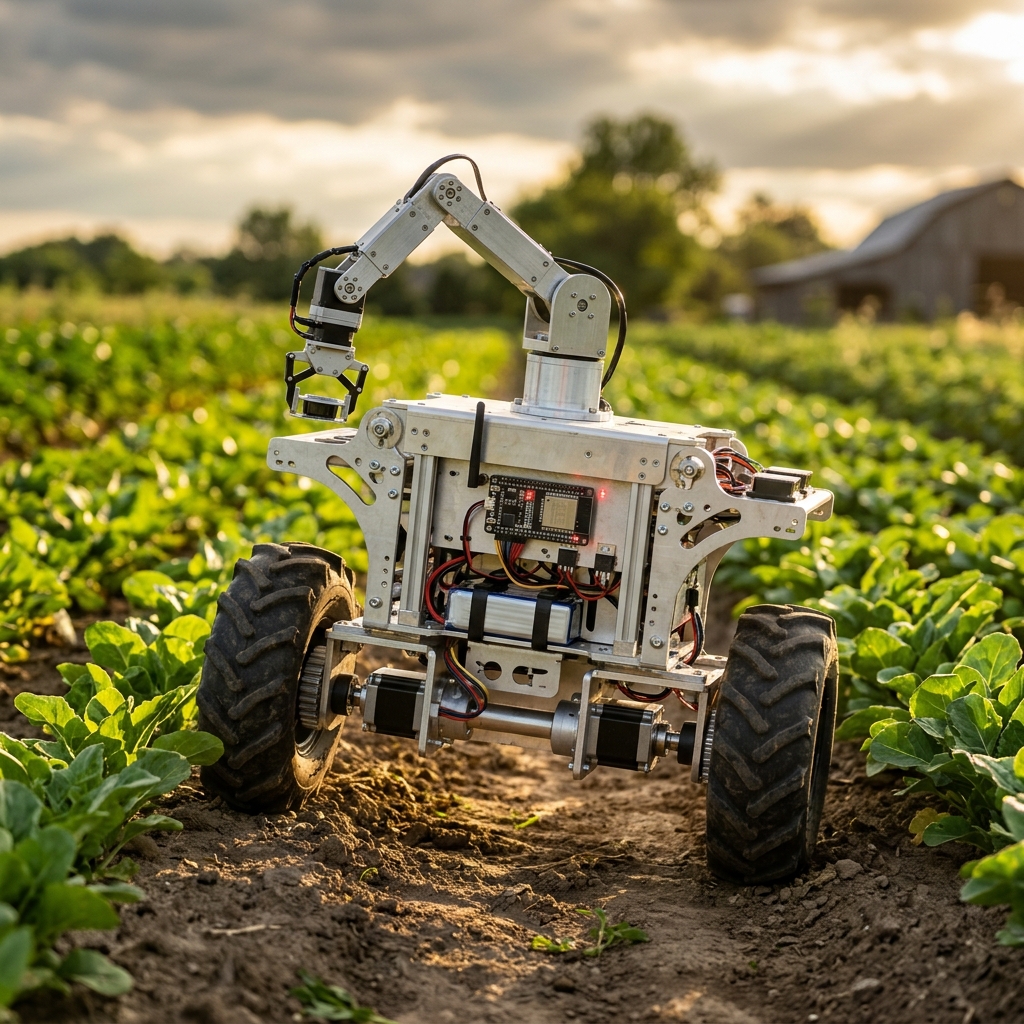
TerraGlide Precision Rover
Problem → Standard farm rovers crush crops because they're wide. Small balancing bots exist, but none can carry 5 kg of payload while operating a robotic arm without tipping over.
Solution → Built a two-wheeled self-balancing platform with a 3-tier vertical stack chassis in mild steel — the tall design deliberately raises the centre of gravity so it falls slower and gives the controller more reaction time. Wrote bare-metal I2C to read raw MPU6886 data, passed it through a custom 1D Kalman filter to clean out stepper motor vibration noise, and fed the result into a 200 Hz PID loop running on ESP32 hardware timers — sub-millisecond corrections driving 24V NEMA 23 steppers through DM542 drivers. The 3-DOF arm only moves a lightweight fertiliser nozzle (the heavy hopper sits on the chassis) so arm movement barely disturbs balance. A separate Plant Monitoring Module (Arduino + DHT11 + soil moisture + rain sensor) sends field data over Bluetooth.
 Flipkart Grid 6.0
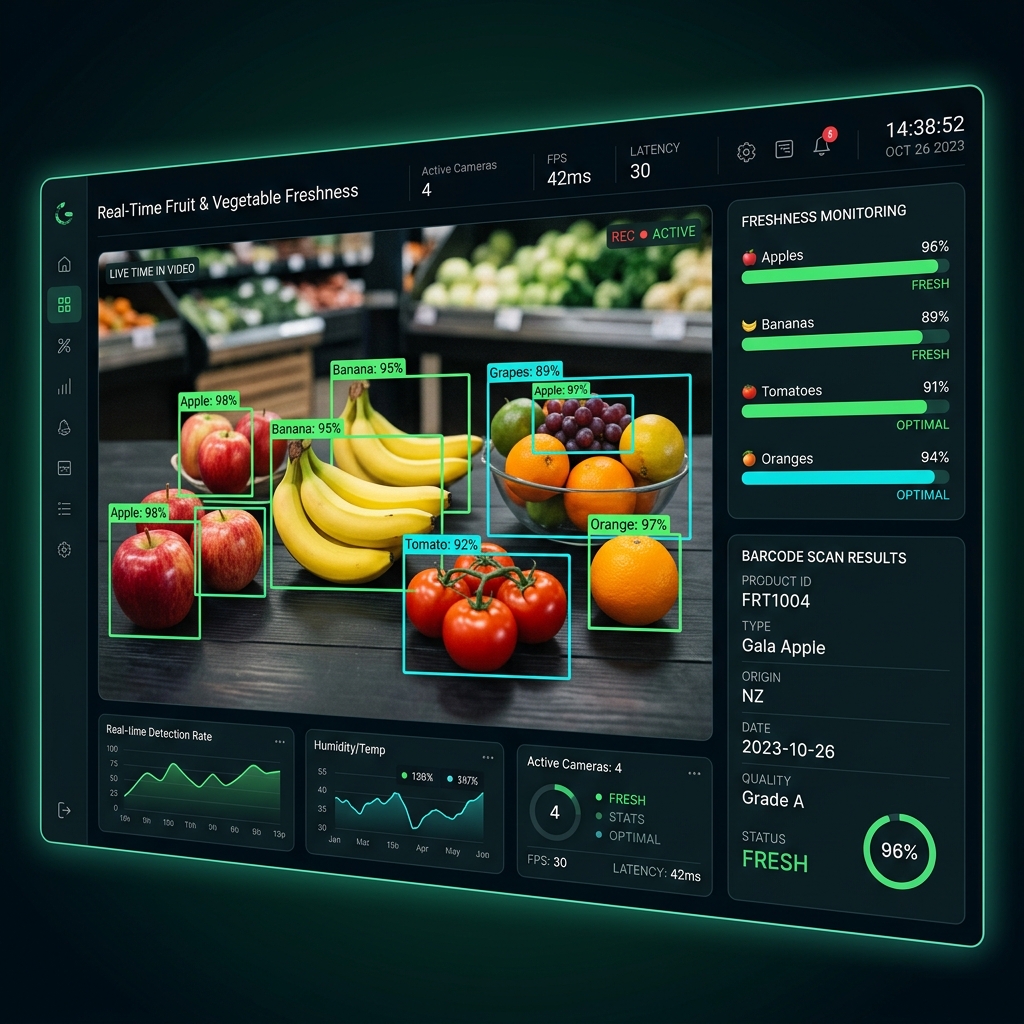
Flip-Check — Freshness Detection System
Problem → Grocery supply chains need a fast, automated way to check whether fruits and vegetables are still fresh — manual inspection is slow and inconsistent.
Solution → Built a YOLO-based computer vision system that classifies produce freshness with 96% accuracy. Integrated barcode scanning (PyZbar), OCR (Tesseract), and object counting into a single real-time Streamlit dashboard — one screen showing freshness scores, product info, and inventory count. Trained on a custom dataset using Roboflow SDK for annotation and augmentation.
Network Intrusion Detection System
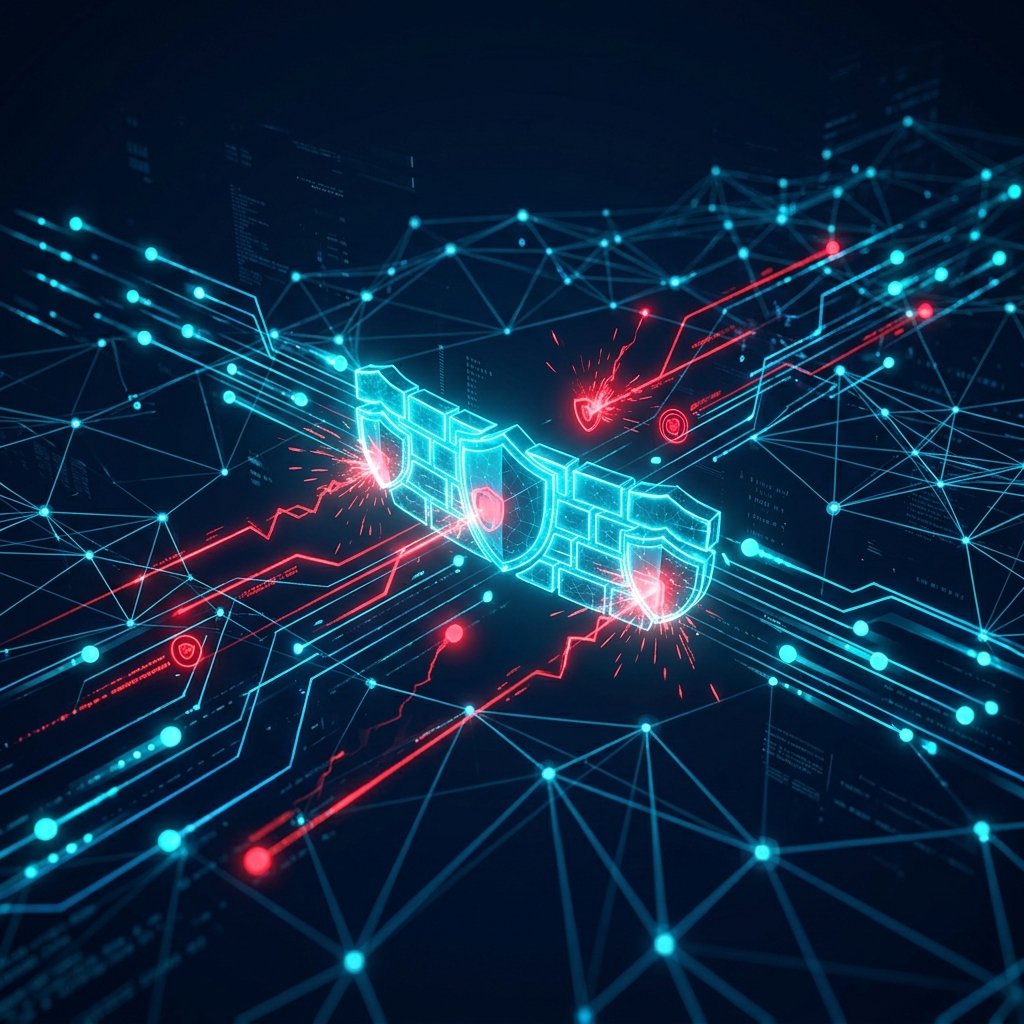
Problem → Network admins can't manually monitor every packet — they need automated tools that catch port scans, DDoS floods, and unauthorized access in real time.
Solution → Trained Random Forest and SVM classifiers on network traffic dumps to flag malicious patterns. The system catches port scans, DDoS attempts, and suspicious login behaviour in simulated environments — filtering real threats from normal traffic without flooding the admin with false alarms.
 Hardware + ML
Face, Gender & Age Detection
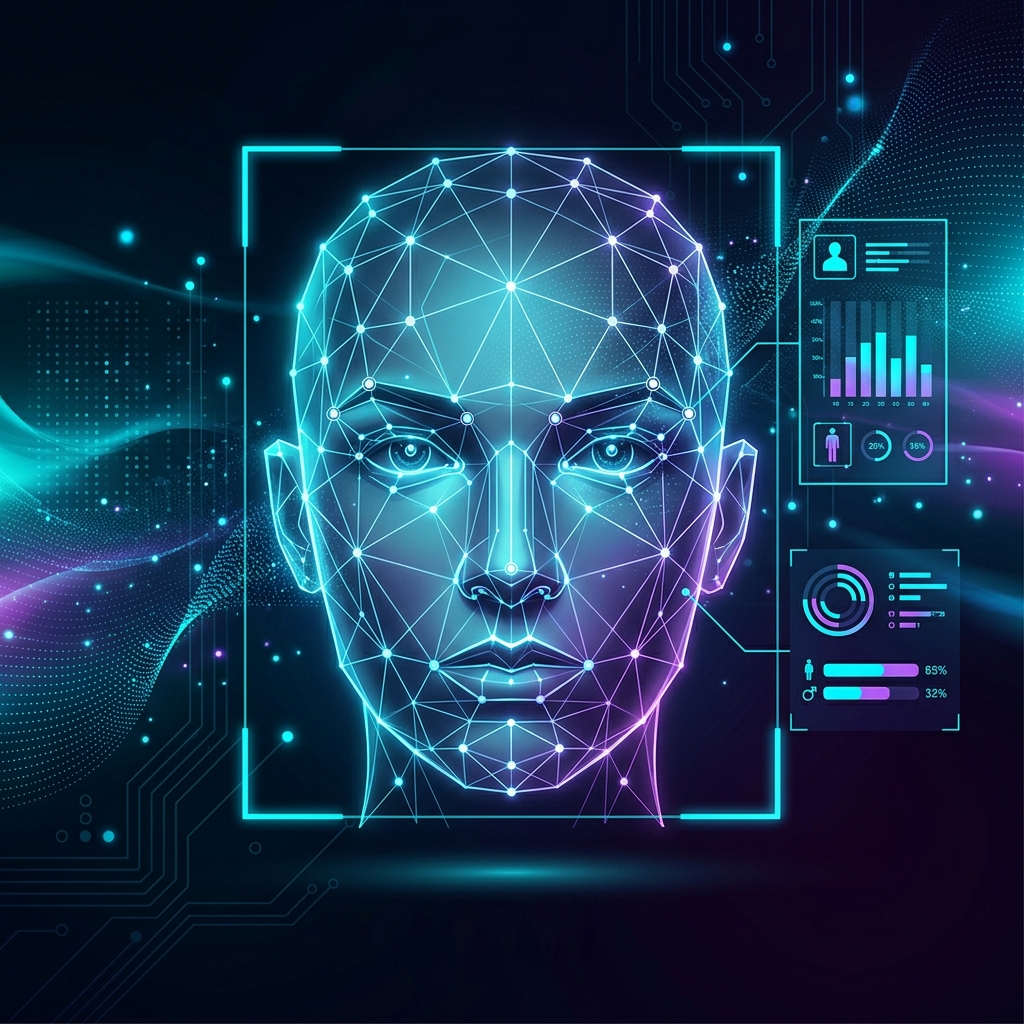
Problem → Surveillance cameras generate hours of footage but can't extract any useful info — you still need a human to identify age, gender, or count people in real time.
Solution → Built a standalone detection unit using an ESP32 and Raspberry Pi Zero with a camera module. The Pi runs OpenCV's DNN module with pre-trained Caffe models for face detection, then pipes frames through age/gender classifiers (tested Logistic Regression, SVM, and a small neural net). The ESP32 handles I/O, triggers, and communication with external displays. The whole setup runs headless — plug in power and it starts detecting.
 FPGA / RTL
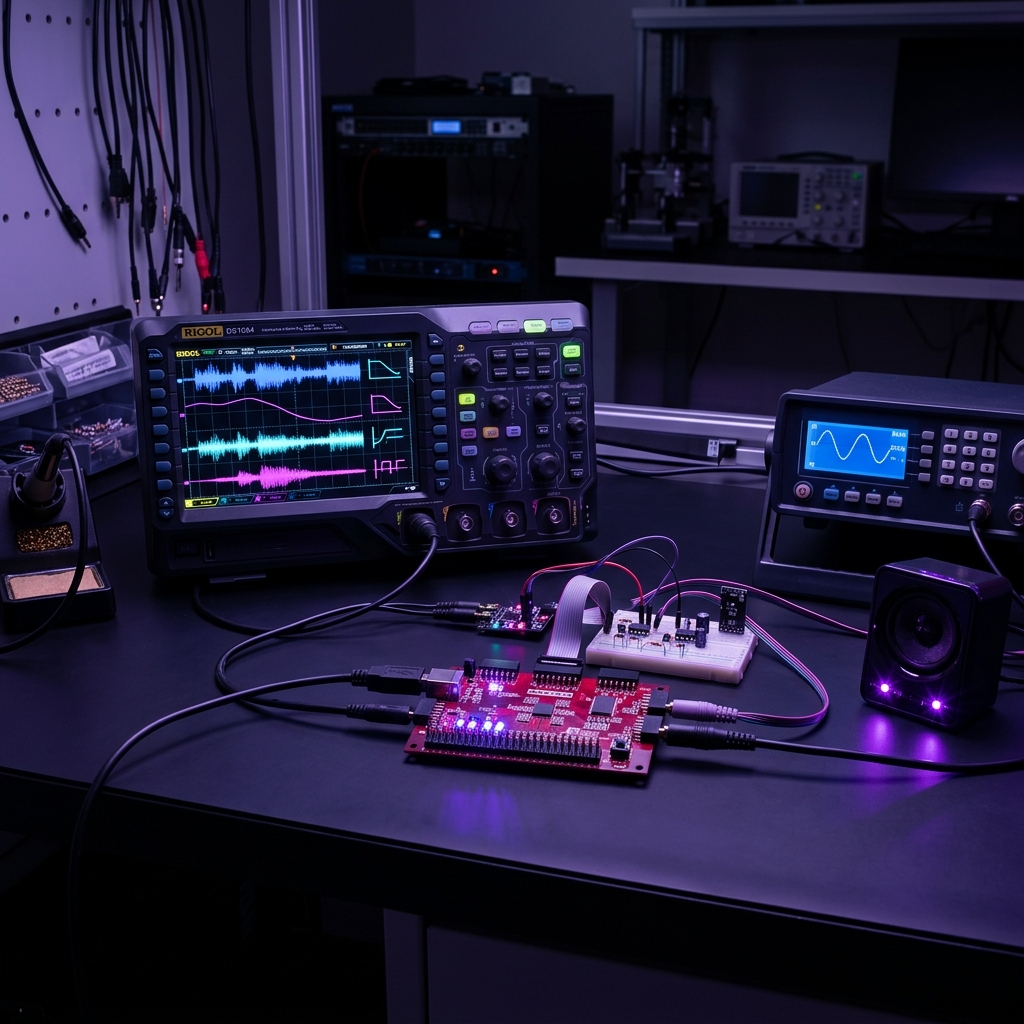
Real-Time Audio FIR Filter — FPGA
Problem → Software audio filters introduce latency. For real-time processing you need the filter running in hardware — but designing FIR engines on an FPGA means writing your own multiply-accumulate pipeline from scratch.
Solution → Implemented a 45/89-tap FIR filter in SystemVerilog on a Basys-3 FPGA. Designed four switchable filters — low-pass (1 kHz), high-pass (2 kHz), bandpass (1–4 kHz), and moving average — with hardcoded 16-bit coefficients. Audio comes in through an I2S (AXI-Stream) interface, gets convolved in real time, and goes out with zero software latency. Used MATLAB for coefficient generation and wrote SystemVerilog testbenches for verification.
 IIT Bombay Fest
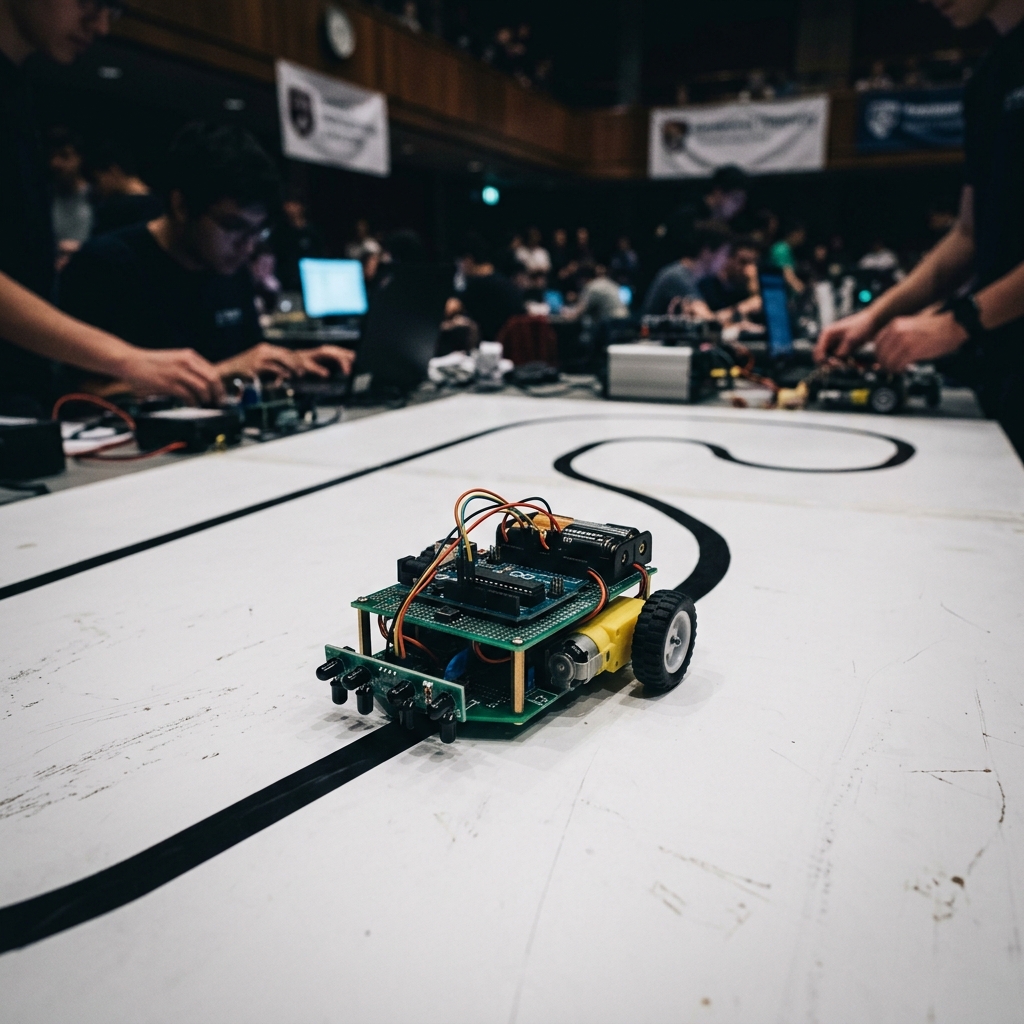
Line Follower Bot
Problem → A bot needs to follow a black line on a white track at speed, handle sharp turns, and not lose the path — all autonomously in a timed competition.
Solution → Designed the sensor layout with an IR sensor array at the front and wrote a PID control loop to keep the bot centred on the line even through tight curves. Tuned the P, I, and D gains for the fastest stable run. Competed at IIT Bombay's annual tech fest against teams from engineering colleges across India.